Choosing PRP for facial texture, acne scars or early skin ageing requires more than comparing treatment names. You will learn how the session is performed, what preparation and recovery involve, which results are realistic, and how to compare a Belapur clinic’s technique and safety standards.
Key takeaways
- Start with a skin assessment before agreeing to a blood draw.
- Ask whether PRP will be injected, microneedled or combined with another procedure.
- Confirm sterile preparation, clinician qualifications and a clear aftercare plan.
- Judge results with consistent photographs after completing the recommended sessions.
What happens during a PRP skin session?
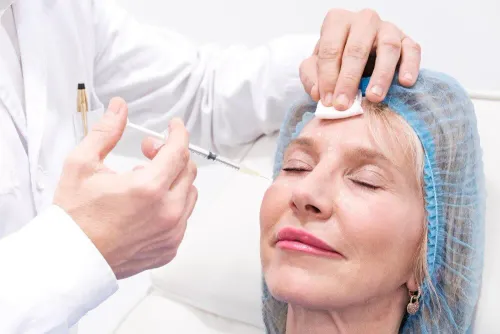
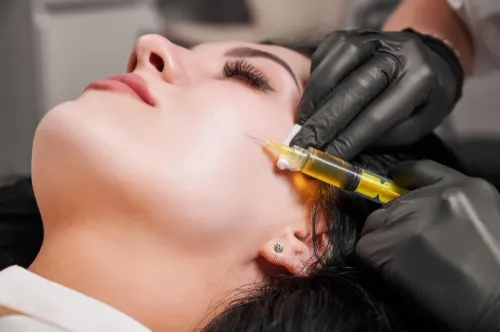
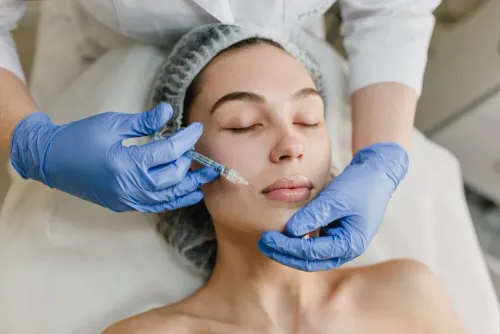
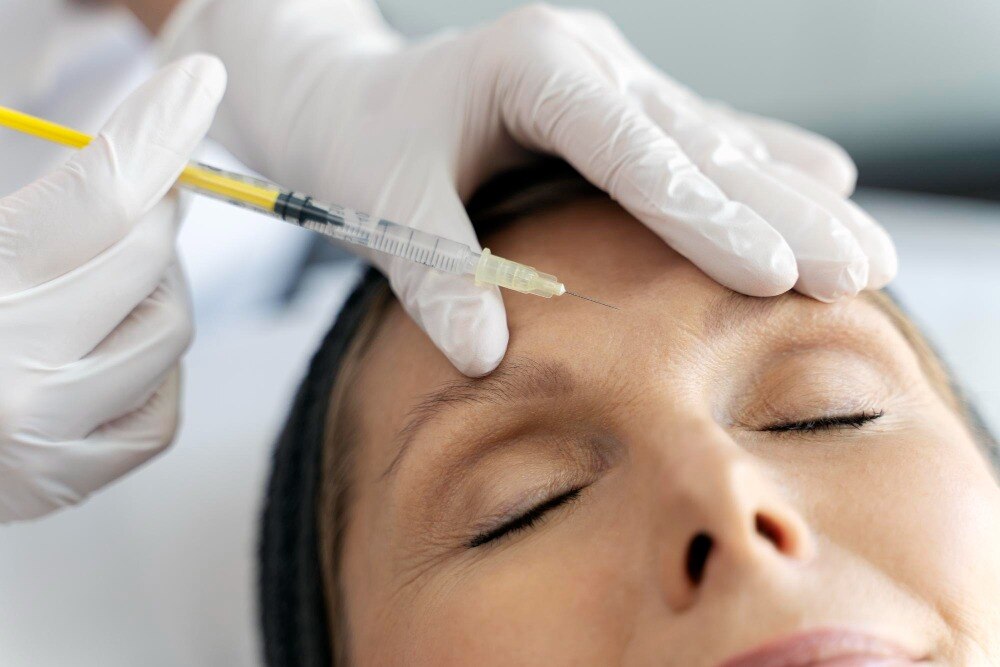
A PRP session starts with a consultation and skin assessment, not the blood draw. The clinician should identify the concern, examine skin condition and treatment depth, and explain whether PRP will be injected, applied during microneedling, or added to another procedure.
Searching for prp skin treatment belapur is not enough; preparation and technique differ between clinics.
- Blood is collected through venepuncture into a labelled collection tube containing an anticoagulant, if that system requires one.
- A centrifuge separates blood components. Its speed and duration influence which cells and platelets remain in the usable layer.
- The clinician draws off platelet-rich plasma and identifies what is discarded as platelet-poor plasma. Platelet concentration and leukocyte content affect the material being used.
- Topical numbing is applied when injections or microneedling would cause significant discomfort, followed by skin antisepsis.
- Delivery then occurs through planned injections at a stated skin layer, or through microneedling with a stated number of passes. Ask whether PRP is the primary treatment or an adjunct.
PRP and platelet-poor plasma are not interchangeable:
| Material | What it contains | Why it matters |
|---|---|---|
| Platelet-rich plasma | Higher platelet concentration than the patient’s baseline blood | Intended for injection or application |
| Platelet-poor plasma | Reduced platelet concentration after separation | Often discarded; ask how it is handled |
The activation method, collection system and sterile, single-use components also matter. Ask how the prepared material is labelled, kept separate and used during the same appointment. PRP skin regeneration is not one standardized procedure.
Which skin concerns can PRP improve, and what should you not expect?
PRP may suit gradual improvement in fine lines, mild loss of elasticity, dullness, uneven texture, early sun damage and the appearance of atrophic acne scars. Results vary, so prp skin regeneration is better viewed as a possible remodeling treatment than a guaranteed reset.
| Concern | What PRP may improve | What not to expect |
|---|---|---|
| Fine lines and mild laxity | Subtle, gradual changes in surface quality and elasticity | Immediate tightening or erasure of deep wrinkles |
| Dullness and uneven texture | A smoother, healthier-looking surface after healing | Instant brightening or a permanent change after one session |
| Early sun damage | Some improvement in texture and overall skin appearance | Removal of established pigment or replacement for sun protection |
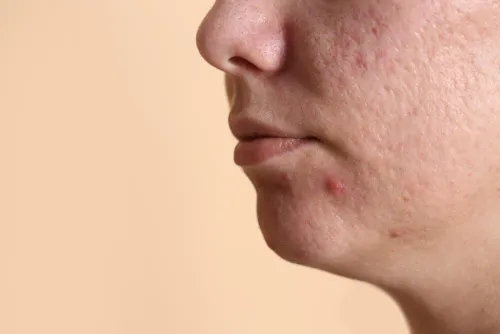
| Atrophic acne scars | Better scar appearance when combined with microneedling or fractional laser | A guaranteed cure or complete removal of strongly etched scars |
| Deep folds and volume loss | Limited benefit from a healing response | The immediate, localized volume correction provided by a dermal filler |
Published facial studies remain difficult to compare because they use small samples, inconsistent preparation methods, short follow-up and different outcome measures. PRP is not a dermal filler; it is unlikely to substantially correct a deep fold, major volume loss or severe laxity on its own.
Pigment needs diagnosis before treatment. Melasma, post-inflammatory hyperpigmentation and lentigines require different management, while a new, changing, bleeding or asymmetrical lesion needs examination rather than cosmetic treatment. A clinician may combine PRP with microneedling or fractional laser for acne scars, but should define the target and explain the limits before proceeding.
How do you compare safety and suitability at a Belapur clinic?
A safe booking decision starts with the consultation, not the service label “skin clinic Belapur PRP.” Compare whether the clinician investigates your risks, explains the technique and provides follow-up.
| Check | Reassuring answer | Warning sign |
|---|---|---|
| Diagnosis | Names the concern and treatment endpoint | Promises general rejuvenation without examination |
| Preparation | Explains blood separation, numbing and delivery method | Cannot explain what happens to the sample |
| Sterility | Uses sterile venepuncture, skin antisepsis, sealed collection materials, single-use needles and sharps disposal | Reuses items or handles blood casually |
| Follow-up | Gives written aftercare and responds to complications | No plan for infection, prolonged inflammation, pigment change or adverse reaction |
Before booking, disclose:
- Active skin infection, recent illness, pregnancy, significant anaemia, platelet or bleeding disorders, autoimmune disease or uncontrolled systemic disease
- Your Fitzpatrick skin type, previous post-inflammatory hyperpigmentation and any history of prolonged healing
- Every medicine and supplement that affects bleeding, including aspirin, anticoagulants, antiplatelet drugs, fish oil and similar products
Never stop a prescribed drug for cosmetic treatment without advice from the clinician who prescribed it.
Darker skin needs conservative treatment settings and a sun-protection plan because needling or injections can trigger post-inflammatory hyperpigmentation. Be You Aesthetics can be compared with other Belapur providers by asking these same questions about diagnosis, preparation, sterile workflow and follow-up, rather than choosing a listing by name alone.
What are the appointment, downtime and aftercare timelines?
Plan more than the injection or microneedling time. Your appointment includes skin assessment, blood collection, centrifugation or separation, plasma preparation, numbing and treatment, so allow extra time for the full visit and arrange transport if tenderness makes driving uncomfortable.
| Activity | Practical timing | What to expect |
|---|---|---|
| Desk work | When you feel comfortable and visible redness is acceptable | Mild redness may settle sooner than swelling or bruising |
| Strenuous exercise, heat and sweating | Restart only after the clinic’s written interval | Exercise, hot showers, saunas and humid outdoor conditions can intensify irritation |
| Alcohol | Follow the clinic’s written restriction | It may worsen flushing or bruising |
| Acids, retinoids and facial treatments | Resume only when the clinician authorises them | Early exfoliation can prolong inflammation |
| Makeup, sunscreen and gentle skincare | Use the treating clinic’s written protocol | Do not substitute a generic online timetable |
Expect temporary redness, swelling, tenderness, pinpoint bleeding or bruising. Duration depends on treatment depth, needle technique and whether PRP was injected or used with microneedling; deeper treatment usually needs more recovery time.
There is no medical rule requiring a seasonal skin treatment Belapur appointment in winter or monsoon. Choose a date that limits intense sun, sweating, travel and outdoor exposure, especially in Belapur’s hot, humid conditions. Contact the clinic promptly for worsening pain, spreading redness, pus, fever or swelling that does not settle.
How many sessions are needed, and how should results be judged?
A responsible prp skin regeneration skin clinic belapur plan cannot promise one fixed number of sessions. Studies commonly use more than one treatment, but no universally validated facial PRP schedule fits every patient. Your clinician should choose one measurable target, such as fine-line visibility, acne-scar appearance, texture or elasticity, rather than promising general “skin regeneration.”
Take consistent baseline photographs before treatment: same lighting, facial position, expression and camera distance. Record the preparation method, platelet concentration, injection depth or microneedling settings, concurrent procedures and aftercare instructions, then set a review point several weeks after treatment.
Sessions may be spaced several weeks apart. Timing depends on your skin condition, healing, platelet preparation, overall health and response to the previous session. Platelet concentration, leukocyte content and technique differ between clinics, so another patient’s schedule is not a reliable template.
Judge change after redness, swelling and tenderness have settled, not the next morning. Immediate brightness can reflect hydration or inflammation; remodeling of texture, fine lines or elasticity develops gradually and may remain modest.
Use this consultation checklist:
- What endpoint are we measuring, and how will you photograph it?
- How many sessions do you recommend, and why this spacing?
- When will we review the result after inflammation has settled?
- What preparation and technique will you document?
- How will my health, skin condition, injection depth or microneedling settings affect the outcome?
- What happens if the response is limited?
Frequently asked questions
What happens during a PRP skin session?
The session begins with a consultation and skin assessment. Blood is collected, processed to separate platelet-rich plasma, and then injected, applied during microneedling or used with another procedure based on your treatment plan.
Which skin concerns can PRP improve, and what should you not expect?
PRP may support improvement in skin texture, fine lines, acne scars and overall skin quality. Do not expect instant results, a facelift effect or complete removal of deep scars and wrinkles.
How do you compare safety and suitability at a Belapur clinic?
Ask about the clinician’s qualifications, sterile blood-handling process, disposable needles, centrifuge system, medical history review and alternatives. Postpone treatment if the clinician has not assessed your skin or discussed risks.
What are the appointment, downtime and aftercare timelines?
Allow time for consultation, blood collection, processing and treatment. Redness, swelling or pinpoint bleeding can follow treatment, especially after microneedling or injections. Follow the clinic’s instructions on cleansing, sun protection and active skincare.
How many PRP sessions are needed, and how should results be judged?
The number of sessions depends on your concern, skin condition and treatment method. Compare progress using photographs taken in the same lighting and at consistent intervals rather than judging the result immediately after treatment.
Keywords