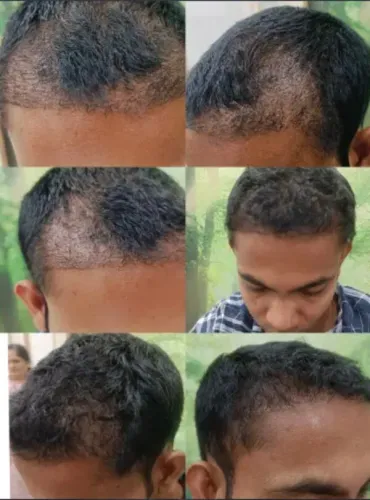
Hair loss can affect people at different stages of life and for many different reasons. While losing a small amount of hair each day is considered part of the normal hair growth cycle, persistent hair thinning, increased hair fall, or visible scalp areas often prompt people to seek professional advice. Among the non-surgical options available today, PRP for hair loss treatment in Belapur has become a commonly discussed procedure for individuals looking to support natural hair growth.
Platelet-Rich Plasma (PRP) therapy uses a person's own blood to prepare a concentrated solution of platelets, which contain growth factors that may support tissue repair and hair follicle activity. Although PRP is not suitable for every type of hair loss, it can be considered as part of an individualized treatment plan after proper medical evaluation.
What Is PRP Hair Treatment?
PRP therapy involves three basic steps.
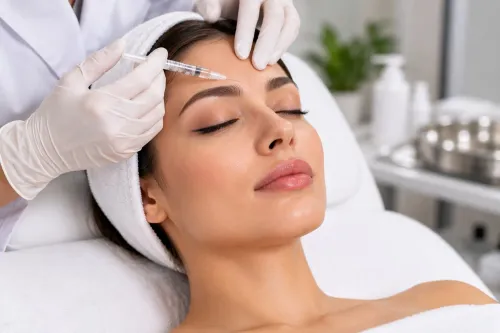
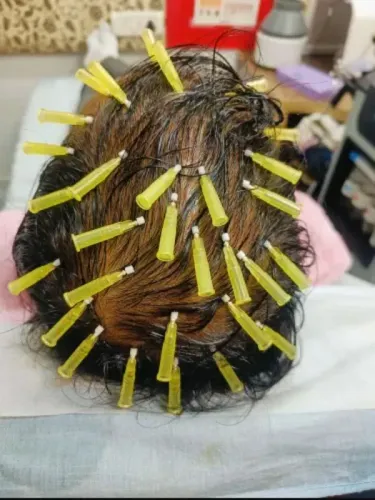
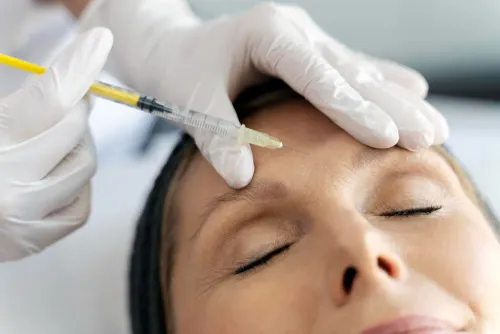
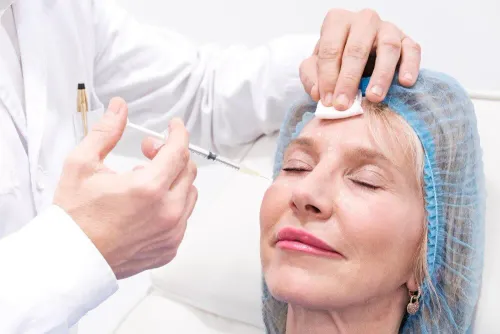
First, a small amount of blood is collected from the patient. The sample is then processed using a centrifuge to separate the platelet-rich plasma from other blood components. Finally, the concentrated plasma is carefully injected into specific areas of the scalp where hair thinning is present.
Because the treatment uses the patient's own blood, the risk of allergic reactions is generally lower than with treatments involving external substances. However, suitability should always be assessed by a qualified medical professional.
Which Hair Loss Conditions May Respond to PRP?
PRP is not intended for every cause of hair loss. It is often considered for people experiencing:
- Early-stage male pattern hair loss
- Female pattern hair thinning
- Hair density reduction
- Diffuse hair thinning
- Mild to moderate androgenetic alopecia
Before recommending PRP, the treating doctor may also evaluate whether hair loss is associated with nutritional deficiencies, hormonal changes, thyroid disorders, medications, stress, or underlying medical conditions.
Addressing these contributing factors is often an important part of achieving better long-term results.
How Does PRP Support Hair Growth?
Platelets naturally contain proteins known as growth factors. These are involved in the body's healing process and may help stimulate inactive or weakened hair follicles.
Potential benefits may include:
- Supporting healthier hair follicles
- Improving scalp circulation
- Encouraging thicker hair strands
- Slowing progressive hair thinning
- Improving overall hair quality
It is important to understand that individual responses vary. PRP should be viewed as a treatment that may support existing follicles rather than create new ones where follicles are no longer present.
What Happens During the Procedure?
Patients are often surprised that PRP sessions are relatively straightforward.
A typical appointment generally includes:
- Medical assessment and scalp examination
- Blood sample collection
- Preparation of platelet-rich plasma
- Scalp cleansing
- Precise PRP injections into targeted areas
- Post-treatment instructions
The procedure is usually completed within a single clinic visit, although treatment duration varies depending on the area being treated.
How Many Sessions Are Usually Recommended?
Hair growth occurs gradually, making patience an important part of treatment.
Many treatment plans involve multiple sessions scheduled over several months, followed by maintenance treatments if considered appropriate.
The exact number depends on factors such as:
- Severity of hair loss
- Duration of thinning
- Age
- Overall health
- Response to treatment
Regular follow-up appointments help monitor progress and determine whether treatment adjustments are needed.
Is PRP Painful?
Most patients describe PRP injections as causing mild discomfort rather than significant pain.
Some clinics may use techniques to improve patient comfort during the procedure. Temporary tenderness or mild redness at the injection sites can occur but often settles within a short period.
Who May Not Be a Suitable Candidate?
PRP is not recommended for everyone.
Suitability may be limited in individuals with:
- Certain blood disorders
- Active scalp infections
- Uncontrolled medical conditions
- Some autoimmune diseases
- Specific medications affecting blood clotting
A detailed medical consultation helps determine whether PRP is an appropriate option or whether alternative treatments should be considered.
Supporting Hair Health Beyond PRP
PRP works best when combined with healthy hair care practices.
Patients are often advised to:
- Eat a balanced diet rich in protein and essential nutrients
- Manage stress levels
- Avoid excessive heat styling
- Follow prescribed scalp care routines
- Attend scheduled review appointments
These measures can complement professional treatment and contribute to healthier hair over time.
Choosing the Right Clinic
For people considering PRP for hair loss treatment in Belapur, selecting a clinic that provides thorough diagnosis before recommending treatment is just as important as the procedure itself. Hair loss often has multiple contributing factors, and identifying the underlying cause helps guide appropriate management.
Be You Aesthetics offers comprehensive scalp assessments to determine whether PRP fits within an individual's treatment plan. Patients can also explore educational information on drsupriyaskinandhairclinic.com to better understand available hair restoration options before making treatment decisions.
Keywords