An exosome appointment should begin with diagnosis and product verification, not with an immediate procedure. By the end, you should know what happens before, during, and after treatment, which questions to ask about delivery and sterility, and when another treatment or medical evaluation is the better choice.
Key takeaways
- Expect consultation, examination, photographs, and product-evidence questions before treatment.
- Confirm whether exosomes suit your skin, scalp, beard, or hairline concern.
- Follow written aftercare instructions and report severe pain, swelling, or worsening redness.
- Compare expected results, evidence, alternatives, and follow-up before booking.
Before the appointment: consultation, examination, and preparation
An exosome appointment should start with a clinician consultation, not injections or microneedling. During an exosome treatment consultation in Kharghar, explain your goal—such as androgenetic hair loss, acne scarring, or uneven skin texture—and expect an examination of the scalp or skin, baseline photographs, and a discussion of variable evidence between products and indications.
- Review the proposed method: topical application after microneedling, injection, or another technique. These are different procedures with different risks, so ask which device, injection points, anaesthetic, dose, and number of sessions apply.
- Ask to see the product label. Record the manufacturer, source, lot or batch number, expiry date, storage conditions, intended route, and sterility or quality-control testing.
- Confirm the clinician’s name and registration details, written consent, quotation, aftercare instructions, follow-up date, and plan for handling infection, prolonged bleeding, or other complications.
- Tell the clinician about pregnancy or breastfeeding, allergies, immune problems, keloid scars, bleeding disorders, and every medicine or supplement, especially aspirin, anticoagulants, and fish oil.
- Report active infection, dermatitis, open wounds, or marked inflammation in the treatment area. Treatment should wait until the problem is assessed.
Before the visit, ask which retinoids, acids, or other irritating skincare products to stop, whether to avoid sun exposure, and when to wash your hair for scalp treatment. Do not hide recent isotretinoin, procedures, alcohol use, or smoking; each can affect preparation or healing.
Inside the treatment room: the procedure from cleansing to discharge
The first step is not a needle. For anyone asking what happens during exosome therapy in Navi Mumbai, expect a clinic workflow that starts with identity, diagnosis, and product checks before treatment begins.
1. A clinician confirms your goal, reviews your medical history and medicines, examines the skin, scalp, beard, or hairline, and checks for conditions that need different treatment. Scalp assessment can help separate pattern hair loss from alopecia areata, infection, telogen effluvium, or scarring alopecia.
2. The clinic takes baseline photographs and explains the selected method, expected discomfort, possible bleeding or infection, and alternatives. You sign consent after receiving the product name, source, lot or batch number, expiry date, storage conditions, and intended use.
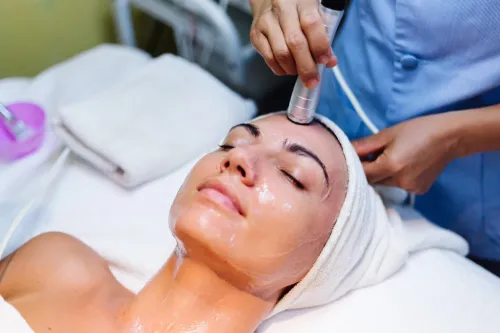
3. Staff cleanse the treatment area and apply an antiseptic. A topical anaesthetic can be used for microneedling or injections, with time allowed for it to work.
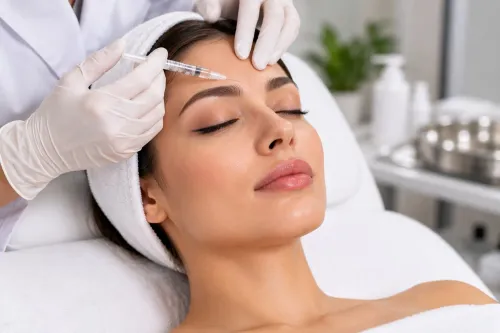
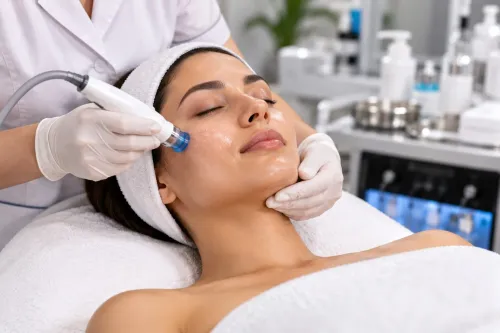
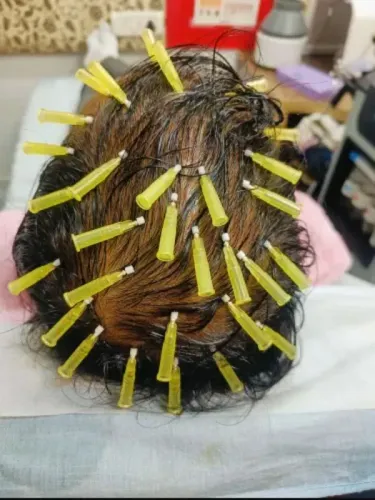
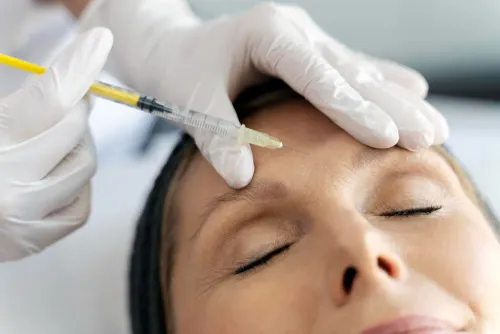
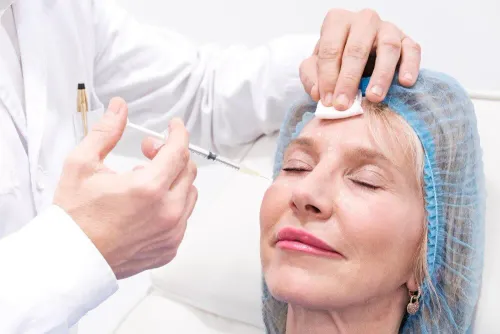
4. The clinician performs the chosen delivery method. Microneedling creates controlled punctures before the preparation is applied; injections place it beneath the skin or into the scalp. These are not interchangeable procedures, and the number of passes, injection points, dose, and concentration depend on the product and treatment area.
5. The area is cleaned again, and a dressing is used when needed. You receive written instructions covering washing, products to avoid, sun exposure, and warning symptoms, plus the clinician’s contact details and follow-up date.
A planned discharge should also include the treatment record and a clear route for reporting complications. Ask questions before leaving, not after a reaction starts.
Why the process changes for facial skin, scalp, beard, and hairline
Facial skin is treated across the areas needing improved texture, acne-scar appearance, or skin quality; the clinician usually cleanses and disinfects the face, applies topical anaesthetic when appropriate, then uses microneedling with topical application or a separately consented injection. The number of passes and product dose are not standardised.
| Area | How the method differs | What the clinician should assess |
|---|---|---|
| Facial skin | Even coverage across cheeks, forehead, or scars; avoid eyelids and active infection | Scar pattern, pigmentation risk, acne, irritation, and the planned delivery method |
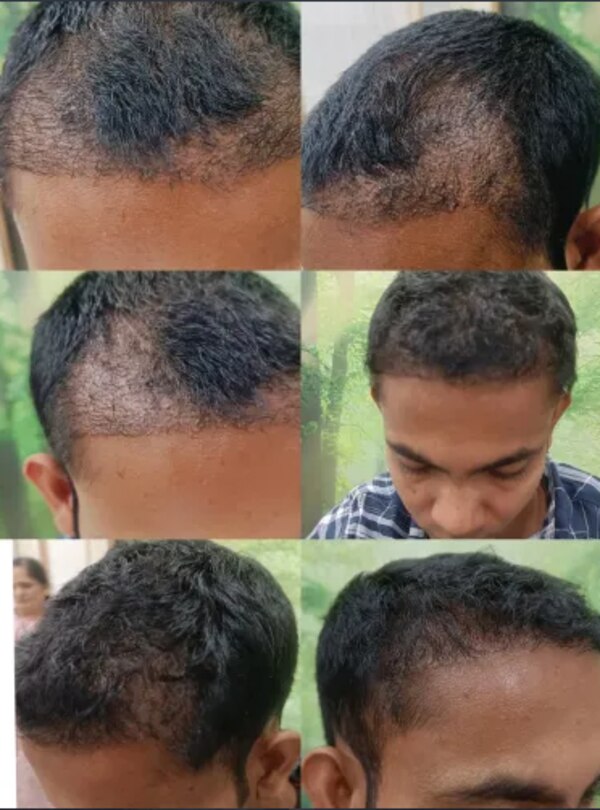
| Scalp | Part the hair into treatment zones; photograph density and apply or inject the preparation into selected scalp areas | Pattern loss versus alopecia areata, telogen effluvium, infection, or scarring alopecia |
| Beard and hairline | Mark the border and sparse patches precisely; use shallow, controlled treatment to limit trauma to nearby skin | Follicle pattern, ingrown hairs, dermatitis, and whether the concern is true loss or normal asymmetry |
The clinic must verify the vial before opening it. Ask to see the manufacturer, donor source, lot or batch number, expiry date, storage conditions, sterility testing, and instructions stating whether it is for topical use, microneedling, or injection.
Also ask whether it is human-derived, animal-derived, or synthetic, and whether one vial is opened for one patient only.
“FDA-approved” alone proves nothing: the U.S. FDA states that no exosome products are FDA-approved. The exosome therapy process in Navi Mumbai should include written product details and consent that reflects the chosen method.
After treatment: expected reactions, aftercare, and follow-up
Expect temporary redness, warmth, swelling, tenderness, pinpoint bleeding, bruising, or scalp sensitivity after an exosome therapy appointment in Navi Mumbai. These reactions should gradually settle; follow the written instructions for your specific delivery method because microneedling and injections create different recovery needs.
| Reaction or symptom | What it usually means | What to do |
|---|---|---|
| Redness, warmth, mild swelling | Short-term irritation after treatment | Use only the recommended products and monitor it |
| Tenderness, bruising, pinpoint bleeding | Local trauma from needles or microneedling | Avoid rubbing and report persistent bleeding |
| Increasing pain, spreading redness, pus, or fever | Possible infection or significant inflammation | Contact the clinician promptly |
| Hives, facial swelling, breathing difficulty, or faintness | Possible allergic or systemic reaction | Seek emergency medical care |
| Vision changes or severe eye pain after facial treatment | Potential eye-area complication | Seek urgent medical assessment |
- Keep the area clean and avoid vigorous rubbing, unapproved skincare or hair products, heavy sweating, swimming, and direct sun exposure for the period specified by the clinician.
- Do not add acids, retinoids, exfoliants, oils, or medicated scalp products unless the treating clinician approves them.
- Ask for a contact number before leaving and confirm the follow-up date. The review should assess healing, compare with baseline photographs, and address persistent symptoms rather than automatically schedule another session.
- Contact the provider if symptoms worsen instead of improving, even without fever. Take the product label, batch number, treatment date, and photographs if you need an outside medical opinion.
Deciding whether exosomes fit your concern
Choose exosomes only after matching the treatment to a defined problem, not because a package promises “cellular repair.” For hair loss, ask whether the diagnosis is androgenetic alopecia, alopecia areata, scarring alopecia, or another condition. A cause that needs medical treatment will not be solved by changing the delivery device.
Postpone treatment until the clinician addresses these concerns:
- Active infection, dermatitis, open wounds, or marked inflammation in the treatment area
- Pregnancy or breastfeeding, allergies, immune conditions, bleeding disorders, or a tendency to form keloids
- Anticoagulant or antiplatelet medicines, supplements that increase bleeding, and recent isotretinoin or cosmetic procedures
| Option | What it means | When it fits |
|---|---|---|
| Exosome therapy | A product-dependent procedure with variable evidence, dose, delivery method, and schedule | When you accept uncertain outcomes after reviewing the product and alternatives |
| Minoxidil | An established hair-loss medicine requiring regular use | When medically appropriate for androgenetic hair loss |
| Finasteride | A prescription option for selected patients with androgenetic hair loss | After discussing contraindications, side effects, and monitoring |
The phrase exosome therapy steps belapur should describe an appointment workflow, not a standard local protocol: diagnosis, consent, baseline photographs, product and lot verification, sterile preparation, delivery, aftercare, and follow-up. Before paying, ask for the clinician’s registration details, product source, batch number, expiry date, storage conditions, intended use, written quotation, and complication plan.
Be You Aesthetics can be judged by whether it answers those questions clearly rather than by a guaranteed result.
Related service
Exosome Therapy At Be You Aesthetics Clinic, Dr. Supriya Shirukar offers advanced Exosome Therapy — a revolutionary, non-surgical treatment designed to rejuvenate,... View service → |
Frequently asked questions
What happens before an exosome therapy appointment in Navi Mumbai?
The appointment should begin with a consultation covering your goal, medical history, and expectations, followed by examination of the scalp or skin and baseline photographs.
What are the steps during exosome therapy?
The clinician cleanses the treatment area, prepares the skin or scalp, applies or delivers the exosome product using the planned technique, and checks you before discharge.
Why does exosome treatment differ for facial skin, scalp, beard, and hairline?
Each area has different tissue, hair-growth patterns, treatment goals, and access requirements, so the examination, application area, and aftercare plan change.
What should you expect after exosome therapy?
Temporary redness, sensitivity, swelling, or scalp tenderness can occur. Follow the clinic’s written aftercare instructions and attend the planned review.
Keywords