PRP is not a filler or a surgical lift, and the right choice depends on your skin concern, medical history, medicines and the technique being offered. By the end, you will know what happens during treatment, which results are realistic, when to postpone it and what to ask during a consultation near Belapur or Kharghar.
Key takeaways
- Ask about sterile, single-use supplies and the centrifuge used for PRP preparation.
- PRP is better suited to gradual texture and fine-line improvement than dramatic lifting.
- Seek medical clearance for blood disorders, active infections, pregnancy, or blood-thinning medicines.
- Compare clinician qualifications, consultation time, follow-up care, and travel between Belapur and Kharghar.
What happens during a skin PRP appointment?
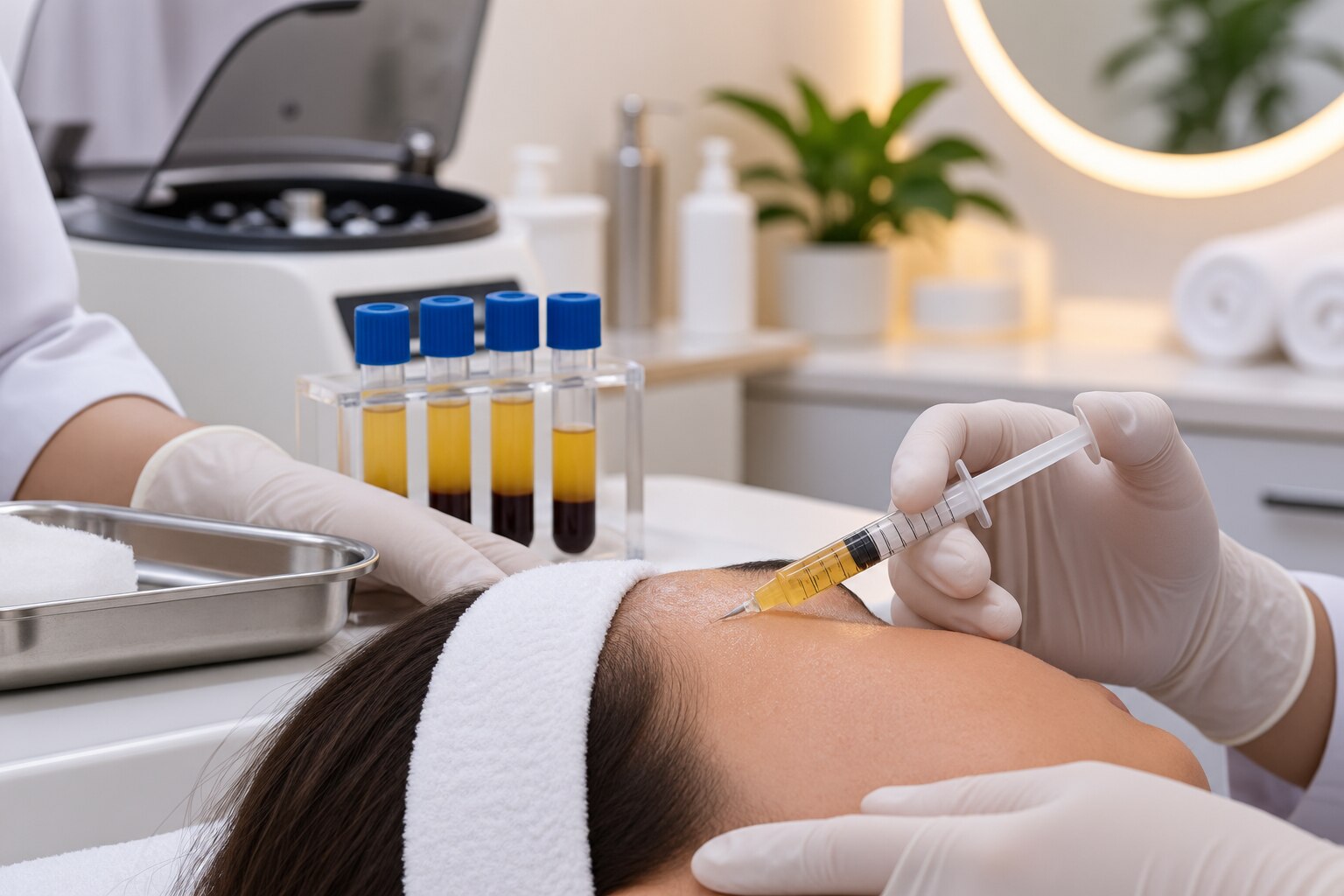
A clinician begins by reviewing your concern, medical history and medicines, then takes baseline photographs and explains consent. Using sterile, single-use supplies, they draw a small blood sample. A centrifuge separates the platelet-containing plasma from red blood cells and other components before the prepared plasma is used on your skin.
| Option | How it is delivered | Commonly considered for |
|---|---|---|
| PRP injections | Plasma placed at selected depths with a needle | Focal concerns where precise placement matters |
| PRP-assisted microneedling | Microneedling creates controlled channels while plasma is applied | Broad texture irregularity, dullness and some acne-scar plans |
The clinician cleanses and disinfects the treatment area, then applies topical anaesthetic when appropriate. The choice between injections and microneedling depends on your diagnosis, skin thickness, treatment area and the clinic’s protocol.
PRP systems also differ in platelet concentration, red-cell contamination, white-cell content, activation method and centrifugation settings, so ask which method is proposed rather than assuming every prp skin treatment belapur appointment is identical.
Afterward, expect temporary redness, tenderness, swelling or pinpoint bleeding. Microneedling can add tightness and a rough sensation. Follow the written instructions for washing, sunscreen, exercise, heat, prescribed products and makeup; ask exactly when each is safe. Contact the clinic about worsening pain, spreading redness, pus, fever or unusual swelling.
Which skin concerns can PRP realistically address?
PRP is most plausible for fine lines, mild texture irregularity, dull-looking skin and selected acne-scar plans—not for every change visible in a mirror. A skin prp consultation should identify the diagnosis before choosing treatment, because pigmentation, active acne, deep folds and marked sagging need separate assessment.
| Concern | Realistic role of PRP | What it does not replace |
|---|---|---|
| Fine lines or dullness | May support gradual improvement in skin appearance | A guaranteed wrinkle eraser or permanent result |
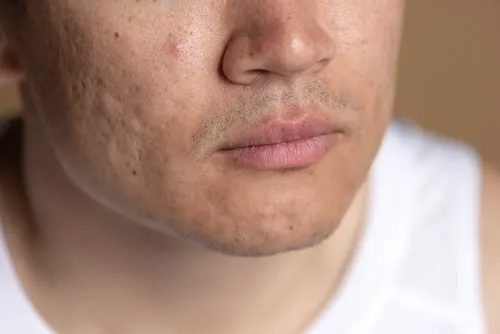
| Atrophic acne scars | More often an addition to fractional laser, microneedling or subcision | A stand-alone cure for deep or extensive scarring |
| Lost volume or laxity | Not a volume-restoring or lifting treatment | Filler for facial volume or surgery for severe sagging |
| Unexplained pigmentation or active acne | Requires diagnosis and condition-specific treatment | A first-line solution for every colour change or breakout |
For someone searching for PRP skin regeneration in Kharghar, realistic results develop over weeks and may require more than one session. Facial-rejuvenation evidence remains limited by small studies, different preparation methods and varied treatment intervals, so no responsible clinician can promise one-session success.
Reject claims that PRP permanently erases wrinkles, cures all pigmentation or delivers predictable “stem-cell activation.”
Ask which diagnosis is being treated, what improvement counts as success, which alternatives fit your skin and how change will be documented with baseline photographs. PRP does not restore a large amount of contour.
Who should postpone PRP or seek medical clearance first?
Postpone treatment until a clinician assesses any infection, unsafe healing risk or blood-related concern; this checklist cannot determine your eligibility remotely.
1. Tell the clinician before booking about active herpes, a bacterial skin infection, uncontrolled inflammatory acne, an open wound, fever or another current infection. Treating irritated or infected skin can worsen the problem.
2. Disclose a bleeding disorder, low platelet count, platelet dysfunction, significant anaemia, immune disease, abnormal scarring history, pregnancy or breastfeeding.
3. Mention any condition that could make blood collection, clotting or healing unsafe. The clinician may request medical clearance before drawing blood.
4. List every medicine and supplement, including aspirin, ibuprofen, warfarin, apixaban, fish oil, vitamin E and herbal products that affect bleeding or platelet function.
5. Report topical retinoids, acids, benzoyl peroxide and any other product that leaves your skin burning, peeling or visibly irritated.
Never stop aspirin, an anticoagulant or another prescribed medicine yourself. Ask the prescribing doctor and the treating clinician to assess the risk together and provide a plan.
If you are considering PRP skin for a cosmetology clinic in Belapur, bring your medication list and relevant medical records to the consultation. Treatment should wait until infection, bleeding risk, blood counts or healing concerns have been evaluated and the clinician explains why proceeding is safe.
How much time, discomfort and recovery should you expect?
Allow enough time for more than the needle work. A PRP skin treatment Belapur appointment includes consultation, consent, baseline photographs, a blood draw, preparation and the procedure; total time depends on the treatment area and whether the clinician uses injections or microneedling.
1. The clinician reviews your goal, medical history and medicines, then explains the technique, risks and aftercare before taking consent.
2. A small blood sample is collected with sterile, single-use equipment and placed in a centrifuge. This separates platelet-containing plasma from red blood cells and other components.
3. The skin is cleansed and prepared. Topical anaesthetic may be used, particularly before microneedling or treatment of a sensitive area.
4. Injections can cause needle tenderness, swelling, redness and bruising. Microneedling adds sensitivity and a rough or tight feeling, which can lengthen the visible recovery period.
5. Ask exactly when you may wash your face, exercise, use heat, apply prescribed products and wear makeup. Avoid cosmetics until the skin surface has settled if instructed.
Temporary redness or swelling can make your skin look worse before it improves. A course may require several sessions, spaced according to your concern, preparation method and response rather than a fixed promise.
Seek medical advice for worsening pain, spreading redness, pus, fever, marked swelling, dizziness that does not settle or visual symptoms.
How can you compare a Belapur clinic with options near Kharghar?
Choose on clinical safeguards, not travel time. If you searched “cosmetology clinic belapur” or “prp skin for cosmetology clinic belapur,” use the same checklist for Be You Aesthetics and providers offering PRP near Kharghar.
| Clinic check | What to ask | Why it matters |
|---|---|---|
| Treating doctor | What dermatology or relevant medical qualification, registration and facial-anatomy experience does the doctor have? | A clinic address does not prove clinical competence. |
| Sterile supplies | Are blood-collection needles, tubes and injection needles sterile and single-use? | Reused or poorly handled supplies increase infection risk. |
| Technique | Is the plan injection, microneedling-assisted application or another method? How is the blood sample processed? | Different methods place the prepared plasma differently and suit different diagnoses. |
| Safety process | Will I sign written consent, and who assesses complications if they occur? | You need documented risks and access to medical care after treatment. |
During a skin prp consultation, ask what the quoted fee includes, how many sessions might be discussed, and which alternatives fit your diagnosis. Be You Aesthetics should earn consideration through these answers, not through its Belapur location or the word “regenerative.”
Before treatment, expect a medicine and medical-condition review, baseline photographs, realistic discussion of uncertainty and written instructions covering cleansing, sun exposure, cosmetics, exercise and warning signs. Choose the clinic only when the clinician explains why PRP fits your concern and when another treatment or postponement would be safer.
Related services
PRP Treatment for Skin Regeneration PRP Treatment for Skin Regeneration At Be You Aesthetics Clinic, under the expert care of Dr. Supriya Shirukar, the PRP (Platelet-Rich Plasma) treatment offers a revolutionary and... View service → |
PRP (Platelet-Rich Plasma) Therapy PRP (Platelet-Rich Plasma) Therapy At Be You Aesthetics Clinic, under the expert care of Dr. Supriya Shirukar, PRP (Platelet-Rich Plasma) Therapy offers a natural and effective... View service → |
Frequently asked questions
What happens during a skin PRP appointment?
The clinician reviews your medical history and medicines, takes baseline photographs, explains consent, draws a small blood sample, and uses a centrifuge to separate platelet-containing plasma before applying it to your skin.
Which skin concerns can PRP realistically address?
PRP may support gradual improvement in skin texture, fine lines, mild acne-scar irregularity, and overall skin quality. It is not a substitute for surgery or a guaranteed treatment for deep scars or significant laxity.
Who should postpone PRP or seek medical clearance first?
Postpone treatment during an active skin infection or flare in the treatment area. Seek medical clearance for blood disorders, platelet problems, pregnancy, immune conditions, or medicines that affect bleeding or healing.
How much time, discomfort and recovery should you expect?
Allow time for consultation, blood collection, preparation, and treatment. Numbing cream can reduce needle discomfort. Expect temporary redness, swelling, tenderness, or pinpoint bleeding, and ask when makeup, exercise, and active skincare can resume.
How can you compare a Belapur clinic with options near Kharghar?
Compare the treating clinician’s credentials, consultation process, sterile single-use supplies, consent and photography practices, aftercare instructions, review access, total travel time, and what happens if you need follow-up care.
Keywords